
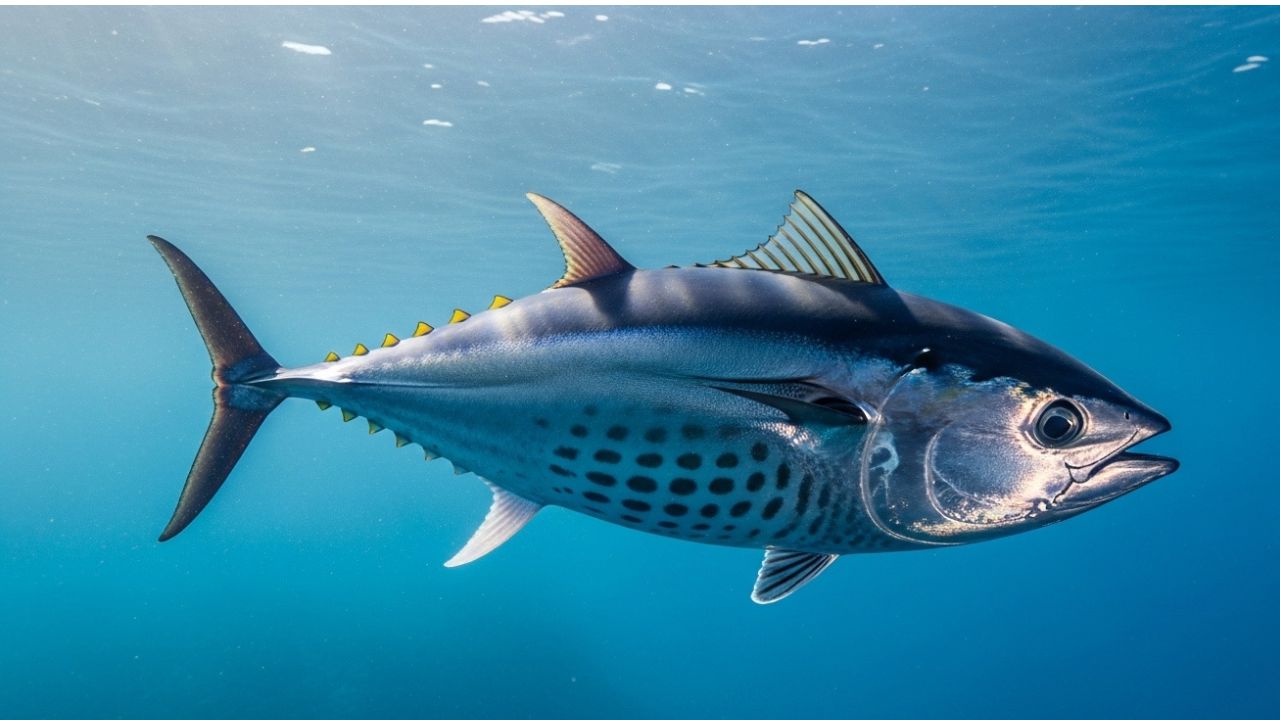
Listao tuna, also known as skipjack tuna (scientific name: Katsuwonus pelamis), is a widely recognized species of tuna that plays a significant role in global fisheries and culinary traditions. Known for its distinct flavor and versatility in cooking, listao tuna is a popular choice among seafood lovers. This article aims to provide an in-depth look at listao tuna, its characteristics, habitat, fishing practices, and its economic and environmental significance.
Understanding Listao Tuna
Definition and Characteristics
Listao tuna is a small to medium-sized species of tuna that typically weighs between 5 and 40 pounds. Characterized by its streamlined body and distinctive coloration, listao tuna has a dark blue dorsal side, a silvery belly, and prominent vertical stripes along its flanks. These adaptations enable it to thrive in the oceanic waters where it is commonly found.
Physical Features
- Size: Listao tuna generally grow to about 2 to 3 feet in length, although some individuals can reach up to 4 feet.
- Coloration: The upper body is dark blue to brown, transitioning to a silver-white underside, which helps them blend into the ocean waters.
- Fins: Listao tuna have long pectoral fins and a deeply forked tail, which contribute to their impressive swimming speeds.
Habitat and Range
Geographical Distribution
Listao tuna are pelagic fish found in tropical and subtropical waters worldwide. They are commonly distributed throughout the Indian Ocean, Atlantic Ocean, and Pacific Ocean, preferring warm waters. Notably, listao tuna are known for their migratory behavior, often traveling long distances in search of food and spawning sites.
Preferred Habitat
Listao tuna tend to inhabit surface waters and are frequently found near floating objects, such as logs, buoys, and marine plants. Their preference for warmer waters makes them a popular target for commercial and recreational fishing.
Fishing Practices and Sustainability
Fishing Techniques
Listao tuna are commonly caught using various fishing methods, including:
- Purse Seining: A popular commercial fishing technique, purse seining involves encircling schools of fish with a large net. This method is effective for capturing large quantities of listao tuna quickly.
- Longlining: This method uses a main line with multiple baited hooks attached to it. Longlining is effective for targeting specific tuna species, including li-stao tuna.
- Pole and Line: A more traditional method, pole and line fishing is considered more sustainable as it has a lower bycatch rate. Anglers use baited hooks on individual rods to catch tuna.
Sustainability Challenges
Despite its popularity, fishing practices for li-stao tuna pose challenges for sustainability. Overfishing and the use of destructive fishing gear threaten tuna populations and the broader marine ecosystem. International organizations and governments have been working to implement sustainable fishing practices and quotas to ensure the long-term viability of listao tu-na populations.
Nutritional Value
Health Benefits
Listao tuna is not only delicious but also packed with nutritional benefits:
- High in Protein: Listao tu-na is an excellent source of lean protein, making it a popular choice for those looking to maintain a healthy diet.
- Omega-3 Fatty Acids: This fish is rich in omega-3 fatty acids, which are known for their heart health benefits and anti-inflammatory properties.
- Vitamins and Minerals: Listao tu-na provides essential vitamins and minerals, including vitamin D, vitamin B12, and selenium, contributing to overall health.
Culinary Uses
Listao tu-na is highly versatile in culinary applications. It can be enjoyed fresh, canned, or cooked, making it a favorite among chefs and home cooks alike. Popular dishes featuring lis-tao tuna include:
- Sashimi and Sushi: Fresh lis-tao tuna is often served raw in sushi rolls or as sashimi, highlighting its delicate flavor.
- Grilled and Seared: Cooking listao tun-a on the grill enhances its natural tastes and creates a delightful smoky flavor.
- Canned Tuna: Canned lis-tao tuna is a convenient and popular ingredient in salads, sandwiches, and pasta dishes.
Economic Significance
Global Fishing Industry
Listao tu-na is a significant species in the global fishing industry, contributing to the livelihoods of millions of people. The catch is vital for both commercial and artisanal fisheries, and countries like Japan, Thailand, and the United States play crucial roles in its fishing and trade.
Market Trends
The demand for lis-tao tuna has been rising in recent years, driven by its popularity in various cuisines and the growing awareness of its health benefits. Sustainable fishing practices and responsible sourcing have also influenced consumer preferences, leading to a rise in demand for ethically caught tuna.
Environmental Impacts
Bycatch and Ecosystem Effects
While listao tu-na is an important species, fishing practices can have unintended impacts, such as bycatch—the capture of non-target species. This can disrupt marine ecosystems and threaten other fish populations, including sharks, sea turtles, and seabirds.
Conservation Efforts
To address these environmental challenges, various organizations are working towards establishing sustainable fishing practices. Initiatives include:
- Fisheries Management: Implementing regulations and quotas to ensure responsible fishing practices.
- Marine Protected Areas: Designating specific ocean areas as protected zones to support fish populations and ecosystems.
- Consumer Awareness Campaigns: Educating consumers about sustainable seafood choices to reduce pressure on vulnerable fish populations.
Conclusion
Listao tuna is a remarkable species that holds great ecological, nutritional, and economic importance. Its distinctive characteristics, habitat preferences, and role in global fisheries make it a key player in marine ecosystems. However, the challenges it faces due to overfishing and environmental impacts cannot be overlooked. Ongoing efforts to promote sustainability and responsible fishing practices are essential for ensuring that listao tuna continues to thrive for generations to come.
Frequently Asked Questions
1. What is Listao Tuna?
Li-stao tuna, also known as skipjack tuna (Katsuwonus pelamis), is a species of tuna characterized by its streamlined body and distinct coloration. It is prized for its flavor and versatility in cooking.
2. Where is Listao Tuna found?
Listao tu-na are primarily found in tropical and subtropical ocean waters worldwide, including the Indian, Atlantic, and Pacific Oceans. They prefer warmer, surface waters.
3. What are the common fishing methods for Listao Tu-na?
Common fishing methods include:
- Purse seining
- Longlining
- Pole and line fishing
4. Is Listao Tu-na sustainable?
Sustainability varies by fishing practices. While some fishing methods are more sustainable than others, the species faces challenges from overfishing and environmental impacts. Conservation efforts are underway to promote sustainable practices.
5. What are the health benefits of Listao Tuna?
Listao tu-na is a rich source of protein, omega-3 fatty acids, and essential vitamins and minerals, making it beneficial for heart health and overall nutrition.
6. How is Listao Tuna typically prepared?
Lis-tao tuna can be enjoyed in various forms, including:
- Sashimi and sushi
- Grilled or seared
- Canned for salads and sandwiches
7. What are the economic implications of List-ao Tuna fishing?
List-ao tuna fishing significantly contributes to the global fishing industry, supporting the livelihoods of millions and generating revenue for fishing communities and countries.
8. What are the environmental impacts of fishing Listao T-una?
Fishing practices can lead to bycatch, impacting non-target species and disrupting marine ecosystems. Sustainable fishing practices are essential to mitigate these effects.
9. Are there conservation efforts for Listao Tuna?
Yes, various organizations focus on promoting sustainable fishing practices, establishing quotas, and creating marine protected areas to support Li-stao tuna populations and their habitats.
10. Where can I find more information about Listao Tuna?
More information can be found through marine biology resources, environmental organizations, and seafood sustainability guides that provide updates on fishing practices and conservation efforts.