

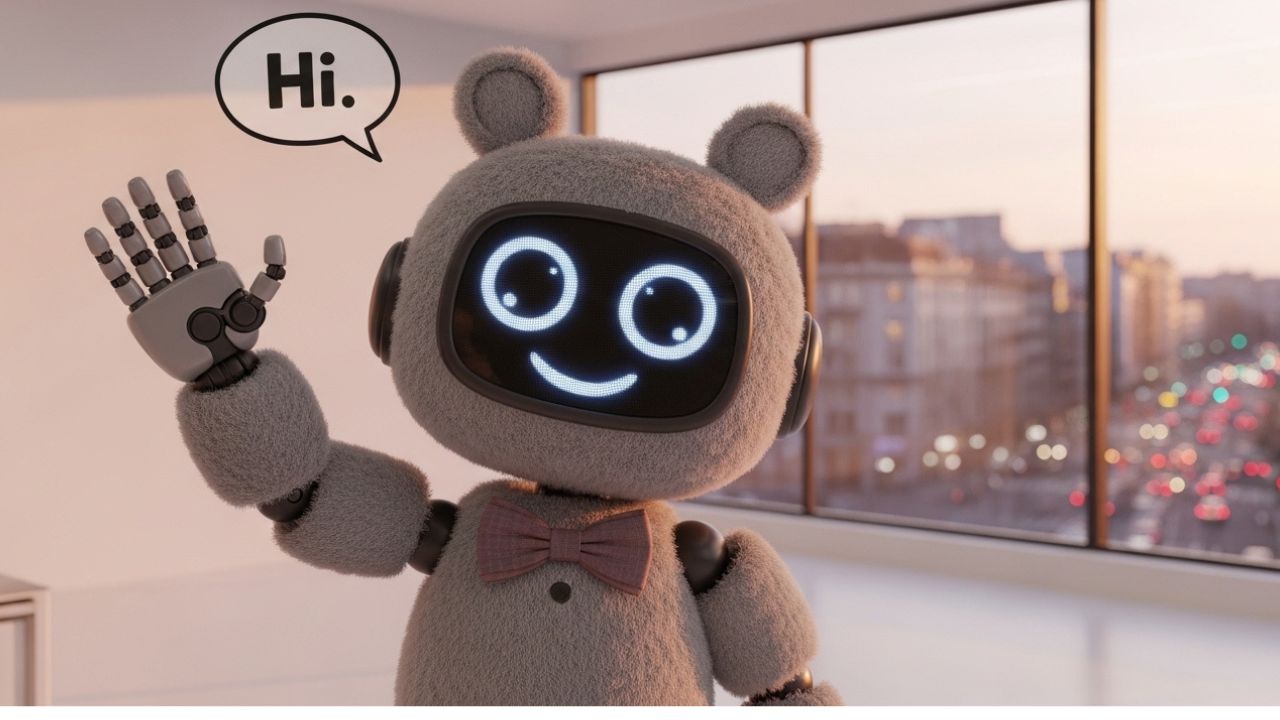
The word “hi” is one of the most common greetings in English, used globally to acknowledge someone’s presence, start a conversation, or express friendliness. Despite its simplicity, the word has a fascinating history, linguistic background, and cultural impact. Understanding the hi meaning can help you communicate effectively in various contexts, from casual chats to professional settings.
The Meaning of Hi
Hi is an informal greeting used to say hello to someone. It is synonymous with hello, though it is generally considered more casual and friendly. Unlike formal greetings such as “good morning” or “greetings,” “hi” is universal, approachable, and suitable for almost any situation that does not require formal etiquette.
Examples of Usage
-
Casual Conversation: “Hi! How are you today?”
-
Text Messaging: “Hi, just wanted to check in.”
-
Online Communication: Used as a simple opener in emails, chats, and social media messages.
Origin and History
The word hi is believed to have originated in the mid-19th century as a variant of “hey” or “hie,” which were informal calls for attention. It became popular in American English in the 20th century, eventually spreading to other English-speaking regions.
Its rise in popularity is linked to informal communication, including letters, telephone conversations, and later, digital communication like texting and social media.
Hi vs. Hello: Key Differences
While both hi and hello serve as greetings, there are subtle differences:
| Greeting | Formality | Usage Contexts |
|---|---|---|
| Hi | Informal | Friends, family, casual meetings |
| Hello | Neutral/Formal | Workplace, phone calls, first meetings |
Hi is typically used when there is a familiar or friendly relationship, while hello is slightly more formal and versatile.
Cultural Significance
Hi has transcended English and appears in various global contexts, especially in casual communication. In many countries, English-speaking expatriates or learners adopt “hi” as a simple and friendly greeting.
-
Digital Communication: “Hi” is widely used in emails, instant messaging, and social media as a quick way to start a conversation.
-
Cross-Cultural Communication: Learners of English often learn “hi” first because of its simplicity and frequency.
-
Pop Culture: The word appears in songs, movies, and literature as a symbol of informal friendliness.
Psychological Impact of Saying Hi
Saying hi can create a sense of approachability, warmth, and openness. Studies in social psychology suggest that casual greetings like “ h i” can:
-
Encourage social bonding
-
Reduce perceived social distance
-
Create positive first impressions
Even a simple “h i” can trigger a friendly response and facilitate communication in social or professional settings.
Variations and Alternatives
Depending on region, age, or context, h-i has several variations:
-
Hey: Slightly more casual, often used among friends.
-
Yo: Informal, popular in youth culture.
-
H-iya / Heya: Regional informal forms.
-
Sup: Shortened version of “what’s up?” often used as a greeting.
These alternatives allow speakers to convey tone, mood, or familiarity beyond the simple word “h- i.”
Conclusion
The word h i may be short and simple, but it carries a rich history and a powerful social function. From casual greetings to digital communication, “h- i” bridges connections, conveys friendliness, and creates approachable interactions. Whether in personal conversations or professional environments, understanding the