
The acronym PMO is widely used across multiple industries and online platforms, but its meaning can vary depending on the context. Understanding what does PMO mean is essential for professionals, students, and anyone encountering the term in business, government, or casual conversations. PMO can refer to organizational structures, roles, or even slang terms, making it a versatile and sometimes confusing acronym.
In this article, we will explore the various definitions of PMO, its applications in business and government, and how it is used in everyday digital communication. By the end, you will have a clear understanding of what PMO means and why it is important in different contexts.
PMO in Business and Project Management
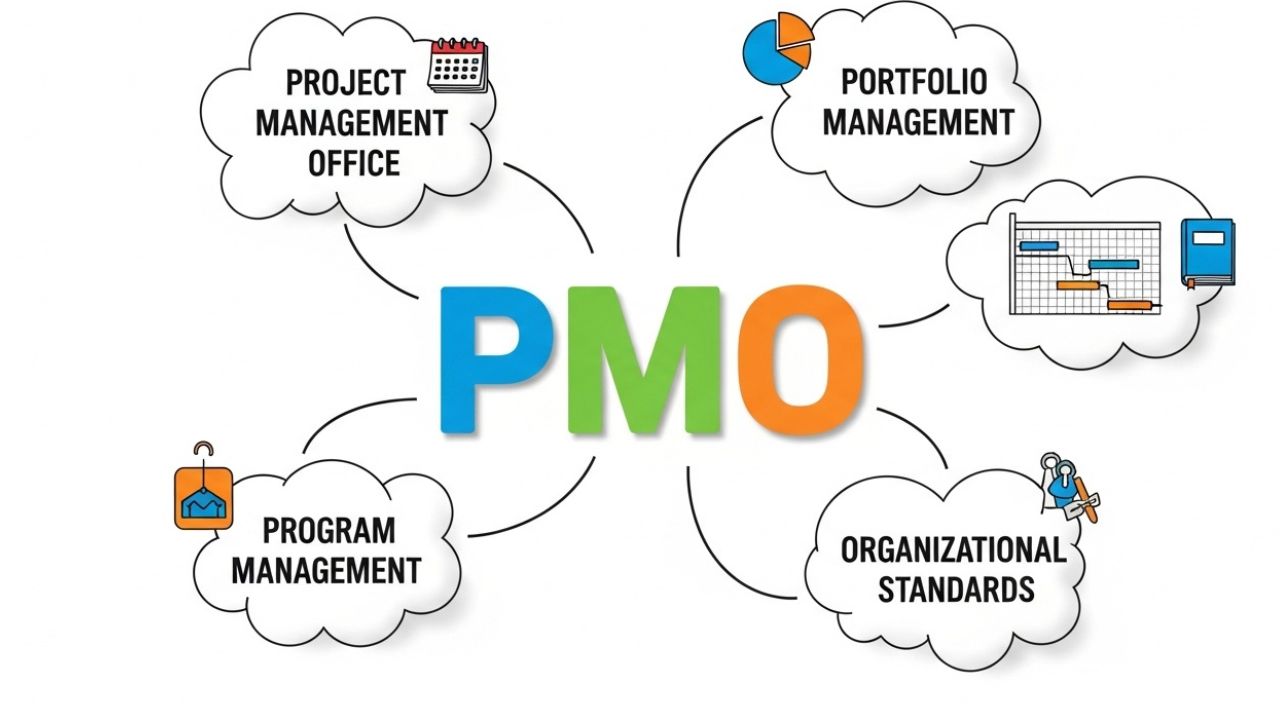
In a professional setting, P-MO typically stands for Project Management Office. This is a central unit within organizations responsible for standardizing project management processes, ensuring quality, and aligning projects with business objectives.
Role of a Project Management Office
The PMO serves several functions, including:
-
Developing and maintaining project management standards and methodologies.
-
Providing guidance, training, and support to project managers.
-
Monitoring project performance and ensuring alignment with strategic goals.
-
Allocating resources efficiently across multiple projects.
Organizations with a P-MO often see improved efficiency, better risk management, and consistent project outcomes.
Types of PMO
There are several types of Project Management Offices:
-
Supportive PMO: Provides templates, best practices, and training, primarily serving in an advisory role.
-
Controlling PMO: Enforces standards and processes, requiring compliance from project teams.
-
Directive PMO: Directly manages projects, with project managers reporting to the P-MO.
Each type serves a different organizational need, and the structure depends on company size, industry, and project complexity.
PMO in Government and Public Administration
In government contexts, P-MO often refers to the Prime Minister’s Office. This is the executive office supporting a prime minister in governing and administration.
Functions of a Prime Minister’s Office
The P-MO in government handles tasks such as:
-
Advising the prime minister on policy and strategy.
-
Coordinating between ministries and departments.
-
Managing communications and public relations.
-
Overseeing key national projects and programs.
This PM-O ensures that the government runs efficiently and that decisions are implemented effectively. Countries like India, Canada, and the United Kingdom all have a PM-O serving similar administrative purposes.
PMO in Digital and Social Media Contexts
Outside professional and governmental contexts, P-MO can have entirely different meanings online. For example, in forums and social media, P-MO is sometimes used as slang for “Porn, Masturbation, Orgasm” in discussions related to self-control and lifestyle habits.
Contextual Importance
The meaning of P-MO online depends heavily on the platform and conversation. Misunderstanding the context can lead to confusion, especially if professionals encounter it in informal discussions.
How PMO Improves Organizational Performance
A well-established PM-O can be transformative for businesses. Its benefits include:
-
Enhanced project success rates: Standardized methodologies reduce errors and ensure projects meet objectives.
-
Improved resource management: P-MOs allocate personnel, finances, and technology efficiently.
-
Better decision-making: Project data collected and analyzed by P-MOs helps leadership make informed choices.
-
Consistent reporting: Standardized reporting tools increase transparency and accountability.
Companies without a P-MO often struggle with fragmented processes, missed deadlines, and unclear communication.
Common Misconceptions About PMO
Many people confuse the different meanings of PM-O. Key points to remember:
-
In business, PM-O usually refers to Project Management Office, not the online slang.
-
In politics, PM-O refers to Prime Minister’s Office, which is unrelated to project management.
-
Always consider context before assuming what -P-MO means in a conversation.
Clarifying the meaning of P-MO ensures proper understanding and avoids miscommunication.
PMO in Career Development
For professionals, working in a P-MO or with P-MO processes can be a career booster. Skills gained include:
-
Project planning and execution
-
Risk assessment and management
-
Resource allocation and budgeting
-
Leadership and communication skills
Certification programs, such as PMP (Project Management Professional), often include PM-O management as a key component.
Global Examples of PMO
Corporate PMO
Many multinational companies, such as IBM, Microsoft, and Google, maintain internal PM-Os to oversee strategic projects and maintain operational consistency across regions.
Government PMO
-
India: The Prime Minister’s Office in India plays a critical role in policy implementation and governance.
-
United Kingdom: The UK P-MO manages policy decisions, communication, and administrative coordination for the Prime Minister.
-
Canada: P-MO Canada assists the Prime Minister in public administration and strategic planning.
These examples highlight P-MO’s importance both in corporate and governmental operations.
Future of PMO in Organizations
The role of P-MO is evolving with technology and business trends. Key future directions include:
-
Integration with AI and analytics: P-MOs increasingly rely on data-driven tools to track project performance and forecast outcomes.
-
Agile PM-O models: Flexible approaches are being adopted to align with modern agile project management methods.
-
Focus on digital transformation: P-MOs are spearheading technology adoption and organizational change initiatives.
These developments ensure P-MO remains a central part of strategic planning in modern organizations.
Conclusion
The meaning of PMO depends on the context, ranging from Project Management Office in business, Prime Minister’s Office in government, to slang in online discussions. Understanding what does PMO mean is essential for professionals, students, and anyone interacting with these terms.
In business, PMOs enhance efficiency, consistency, and decision-making. In government, they support administrative coordination and policy implementation. Online, PMO can have informal or sensitive connotations that require context awareness.
Whether you encounter PMO in corporate reports, government discussions, or social media, understanding its meaning ensures clear communication and insight into its role in organization, leadership, and digital culture.