
Gorillas are some of the largest primates in the world, renowned for their strength and gentle nature. As fascinating as their social structures and behavioral patterns are, the question of “what do gorillas eat” often piques curiosity. Understanding their diet provides insight into their ecological role, lifestyle, and health.
The Diet of Gorillas: An Overview
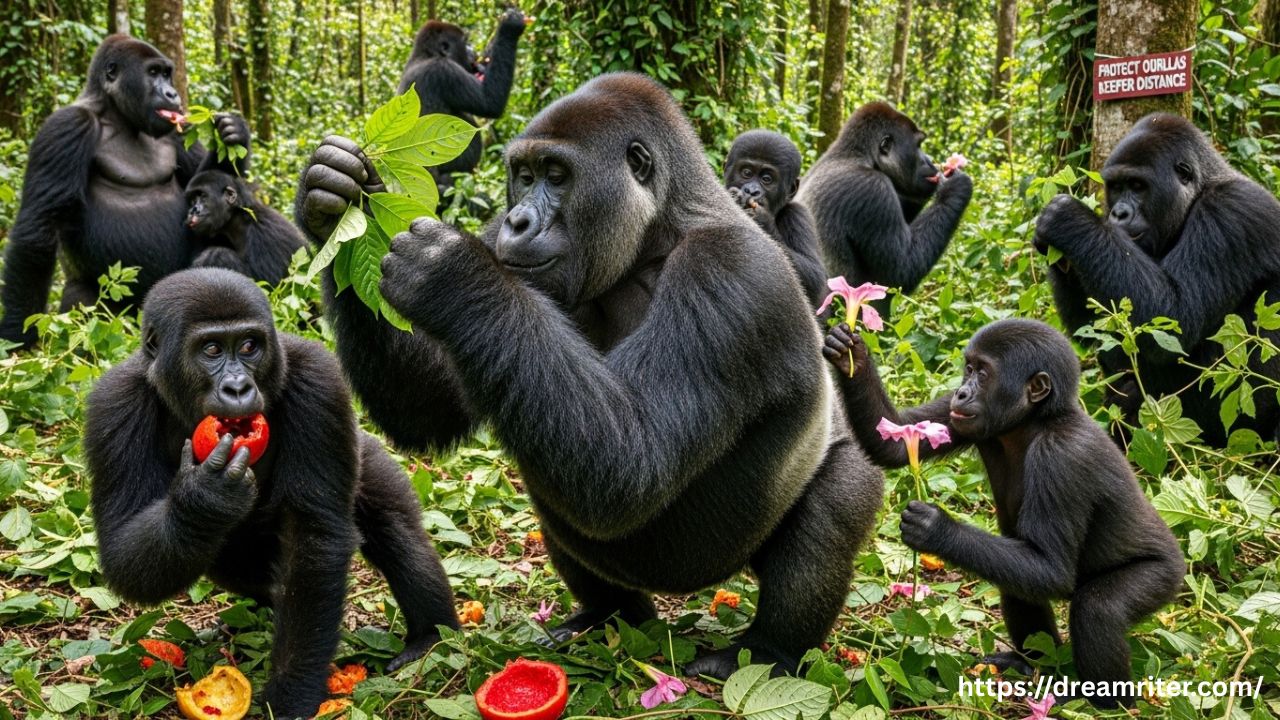
When asking “what do gorillas eat,” one must first understand that these animals are primarily herbivores. Gorillas have a varied diet that consists largely of plant materials. This diet can be broken down into several key components, including leaves, stems, fruits, and flowers.
Herbivorous Habits
Gorillas are classified as folivores, meaning they predominantly consume leaves. This includes not only the leaves of trees but also shrubs and twigs. Their large, powerful jaws are well-adapted for crushing tough vegetation, allowing them to process a diverse array of plant matter efficiently.
Leaves and Stems
One of the mainstays of a gorilla’s diet is leaves and stems. In the wild, they often forage for young, tender leaves that are more nutritious. These can come from a variety of trees, with favorites including the leaves of the banana, guava, and bamboo plants. The stems of certain herbaceous plants also provide essential nutrients.
Fruits: A Sweet Treat
Though gorillas primarily eat leaves, fruits play an essential role in their diet as well. Gorillas tend to eat fruit when it is in season, showing a preference for ripe, fleshy varieties. Fruits are high in sugars and provide a necessary burst of energy.
Types of Fruits Consumed
Common fruits that gorillas consume include bananas, apples, and berries. They may travel considerable distances to locate fruiting trees during certain times of the year, showcasing their need for variety in their diet.
Flowers and Seeds
While flowers are not a primary food source, gorillas will consume them when they are available. They enjoy the nectar and pollen found in flowers, which provides additional nutrients. Seeds, when available, are also eaten, providing essential fats and proteins.
Gorillas’ Eating Patterns
Understanding what gorillas eat goes hand in hand with understanding their eating habits. Gorillas spend a significant amount of their time foraging and eating, typically dedicating around 30% of their day to these activities.
Group Dynamics and Foraging
Gorillas are known to forage in groups, which allows them to cover more ground and access a wider variety of food sources. Adult males, known as silverbacks, often lead the foraging activities and make decisions about where the group should go based on food availability.
Time of Day
Gorillas are primarily diurnal, meaning they are active during the day. They typically spend the morning hours foraging for food, with most of their day dedicated to eating. After a heavy feeding session, they usually take a rest or engage in social interactions, further optimizing their energy use.
Nutritional Needs of Gorillas
The question of “what do gorillas eat” is not just about types of food; it’s also about nutritional requirements. Gorillas need a diverse and balanced diet to maintain their health and wellbeing.
Protein Requirements
Although gorillas are largely herbivorous, they do require some protein for muscle maintenance and growth. This protein often comes from the leaves and stems they consume, which have a higher protein content than other parts of the plant.
Fiber Intake
A high-fiber diet is essential for gorillas, aiding digestion and facilitating a healthy gut. The fibrous plant materials that make up their diet help them break down food effectively and absorb nutrients, crucial for their large body size.
Hydration
Water is another critical component of a gorilla’s diet. While they often obtain moisture from the vegetation they eat, they also need to drink fresh water to stay hydrated, especially in warmer climates.
Human Impact on Gorilla Diets
As humanity encroaches on natural habitats, understanding what gorillas eat becomes increasingly important to conservation efforts. Habitat destruction, poaching, and climate change significantly affect the availability of food sources for gorillas.
Habitat Loss
Deforestation for agriculture and urbanization reduces the natural flora gorillas rely on. With fewer plants and trees, their main food sources become scarce, directly impacting their health and survival.
Conservation Efforts
Many organizations aim to protect gorilla habitats by promoting sustainable farming and reforestation initiatives. Educating local communities about the importance of gorillas in ecosystems plays a critical role in these efforts.
Conclusion
In summary, the question “what do gorillas eat” reveals a complex web of dietary habits and ecological considerations. Gorillas primarily consume leaves, stems, fruits, and flowers to sustain their large bodies. Understanding their dietary needs is crucial for conservation efforts, ensuring that these magnificent creatures continue to thrive in their natural habitats.
Frequently Asked Questions
. What do gorillas eat in the wild?
Gorillas primarily eat leaves, stems, fruits, and flowers. They are herbivores, with a diet dominated by plant material.
2. How much do gorillas eat in a day?
Gorillas spend about 30% of their day foraging and eating, consuming up to 40 pounds of vegetation daily, depending on food availability.
3. Do gorillas eat meat?
While primarily herbivorous, gorillas are known to occasionally consume insects or small animals, but this is rare and not a significant part of their diet.
4. How do seasonal changes affect gorilla diets?
Gorillas adapt their diets based on seasonal availability. They tend to consume more fruits during the fruiting season and rely on leaves and shoots during drier months.
5. What role do gorillas play in their ecosystem?
As herbivores, gorillas help maintain forest health by promoting plant diversity and aiding in seed dispersal through their foraging habits.
6. How do human activities impact gorilla diets?
Human activities such as deforestation, agriculture, and hunting reduce food availability and threaten gorilla populations, making conservation efforts crucial.
7. Can gorillas thrive in captivity with a different diet?
Gorillas in captivity can thrive on a carefully balanced diet that mimics their natural food sources, including safe fruits, vegetables, and specially formulated primate diets.
8. What is the importance of a varied diet for gorillas?
A varied diet ensures that gorillas receive all essential nutrients, including carbohydrates, proteins, vitamins, and minerals, critical for their growth and health.